21 May 2026
Unraveling Connections Between Swift Payments and Progressive Rewards in UK Mobile Gaming
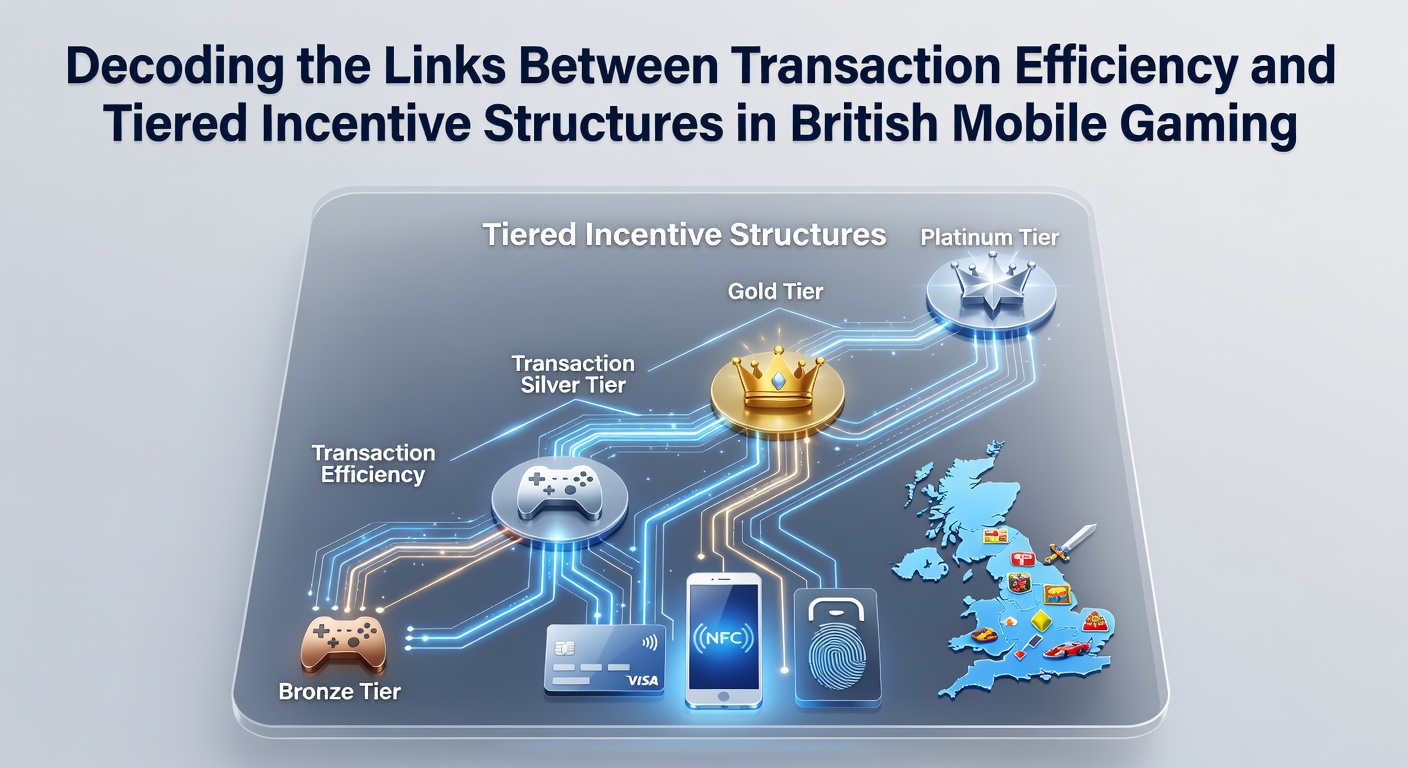
Transaction speeds in British mobile gaming have grown increasingly tied to how platforms structure their loyalty programs, creating measurable patterns that researchers continue to examine across multiple operators. Faster payment processing allows users to move funds into games with minimal delay, and this efficiency often feeds directly into tiered systems that unlock escalating rewards based on activity levels and deposit frequency.
Examining Payment Processing Dynamics
Modern mobile platforms rely on integrated payment gateways that handle deposits and withdrawals in seconds rather than minutes, and data from industry reports shows these reductions correlate with higher engagement rates among players who qualify for advanced tiers. Operators track metrics such as average deposit completion time alongside loyalty point accumulation, revealing that quicker transactions reduce friction and enable continuous play sessions that accumulate toward higher reward brackets.
Payment providers offering instant bank transfers and e-wallet solutions have expanded their presence in the UK market, while platforms adjust incentive structures to reward users who utilize these methods consistently. Studies indicate that participants who complete deposits under thirty seconds receive automated prompts guiding them into loyalty ladders where each subsequent tier offers incremental benefits like bonus multipliers or exclusive game access.
Structure of Tiered Incentive Systems
Tiered programs typically divide users into progressive levels determined by cumulative spend, session duration, and transaction volume, and observers note that efficient payment rails accelerate movement between these stages. Entry-level tiers grant basic perks such as standard cashback rates, whereas mid and top tiers deliver enhanced features including priority support and customized promotions tied directly to recent transaction history.
According to analyses from the European Gaming and Betting Association, platforms that synchronize payment speed with loyalty algorithms see measurable increases in user retention across European markets including the UK. These systems operate on real-time data feeds that update tier status immediately after each confirmed transaction, eliminating the lag that once separated deposit activity from reward eligibility.
Links Observed in Operational Data
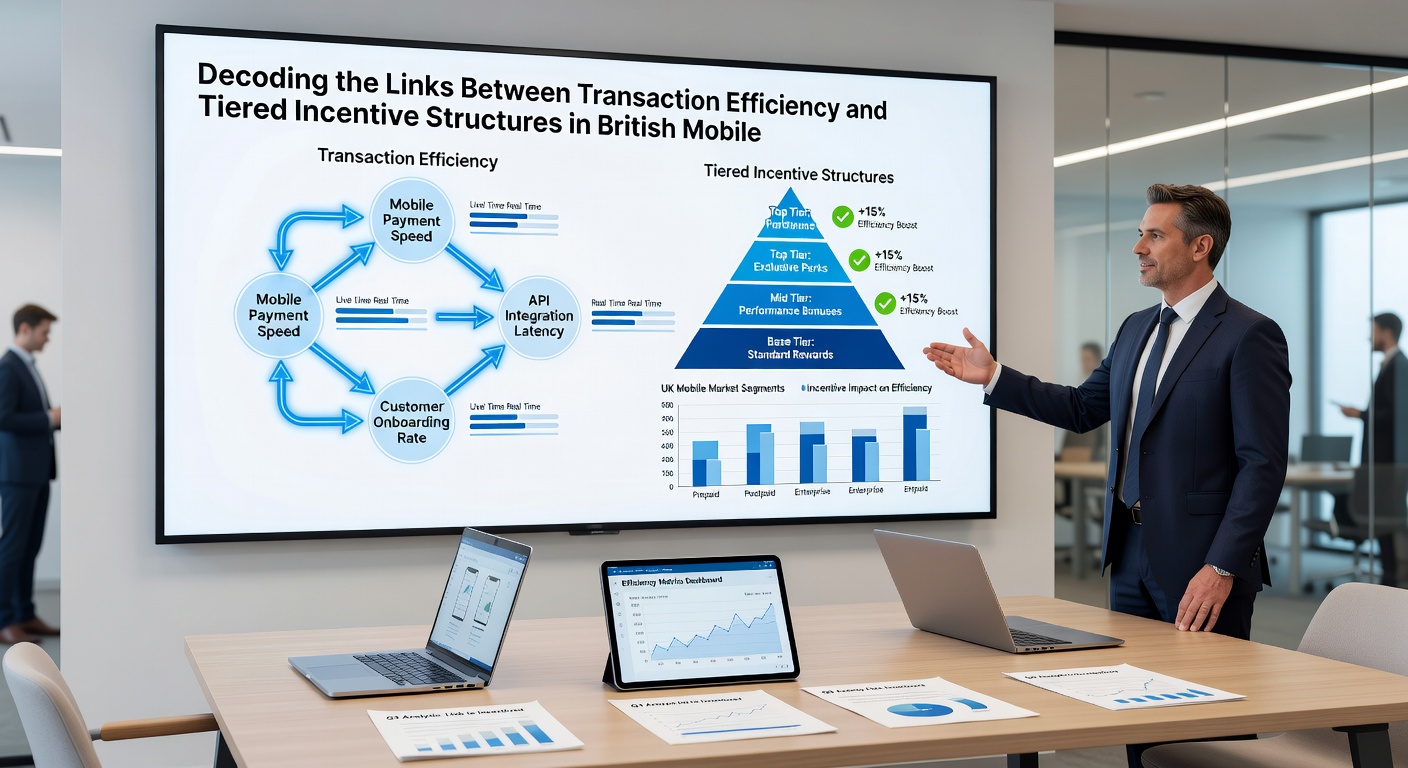
Researchers tracking British mobile gaming patterns have identified direct relationships between reduced processing times and accelerated tier advancement, particularly during promotional periods. When transaction efficiency improves, users maintain momentum through consecutive deposits that push them past thresholds required for higher status levels, and this pattern holds across multiple device types and operating systems.
Platforms monitor variables including failed transaction rates and average funding intervals, then calibrate incentive rules accordingly to maintain engagement without disrupting compliance frameworks. In May 2026 several operators introduced updated dashboards that display projected tier progression based on current payment speeds, giving users clearer visibility into how quicker funding translates into reward accumulation.
Regional Comparisons and Broader Trends
Comparative reviews from sources such as the Responsible Gambling Council in Canada highlight similar dynamics in other regulated markets, where transaction latency directly influences participation depth in loyalty structures. British platforms appear to adopt these insights rapidly, integrating automated triggers that adjust incentive values in response to payment performance metrics gathered from user sessions.
Analysts point out that seamless wallet integrations and one-click deposit features reduce abandonment rates during the funding stage, thereby sustaining the activity flow needed to climb incentive tiers. These connections become especially visible during high-volume periods when users attempt multiple transactions in succession to reach milestone rewards.
Conclusion
The interplay between transaction efficiency and tiered incentives continues to shape user experiences across British mobile gaming, with operational data underscoring how reduced processing times support smoother progression through loyalty levels. Platforms that align payment technology with reward algorithms maintain consistent activity patterns, while ongoing refinements in May 2026 and beyond suggest further integration of real-time metrics into these systems. Continued examination of these links provides clearer understanding of how funding speed and incentive design reinforce each other in regulated environments.