25 Jun 2026
The Impact of Payment Processing Speeds on Tiered Prize Accumulation in Mobile Reel Gaming Platforms
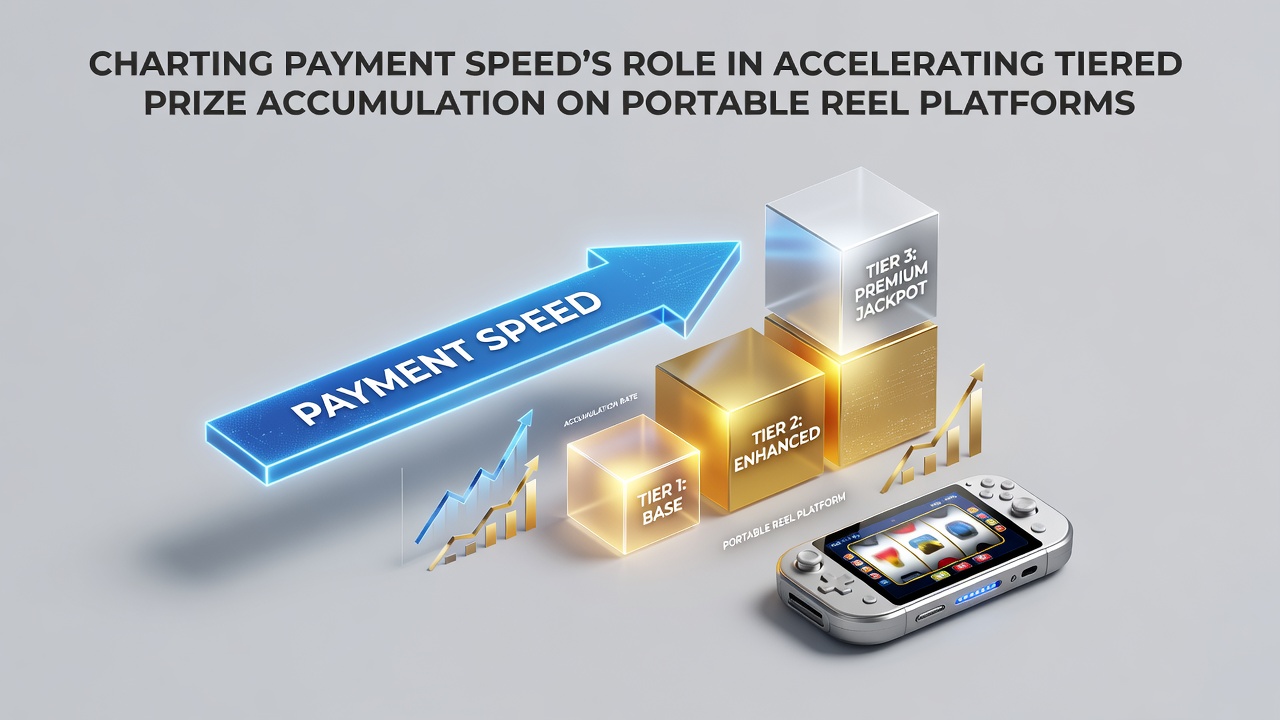
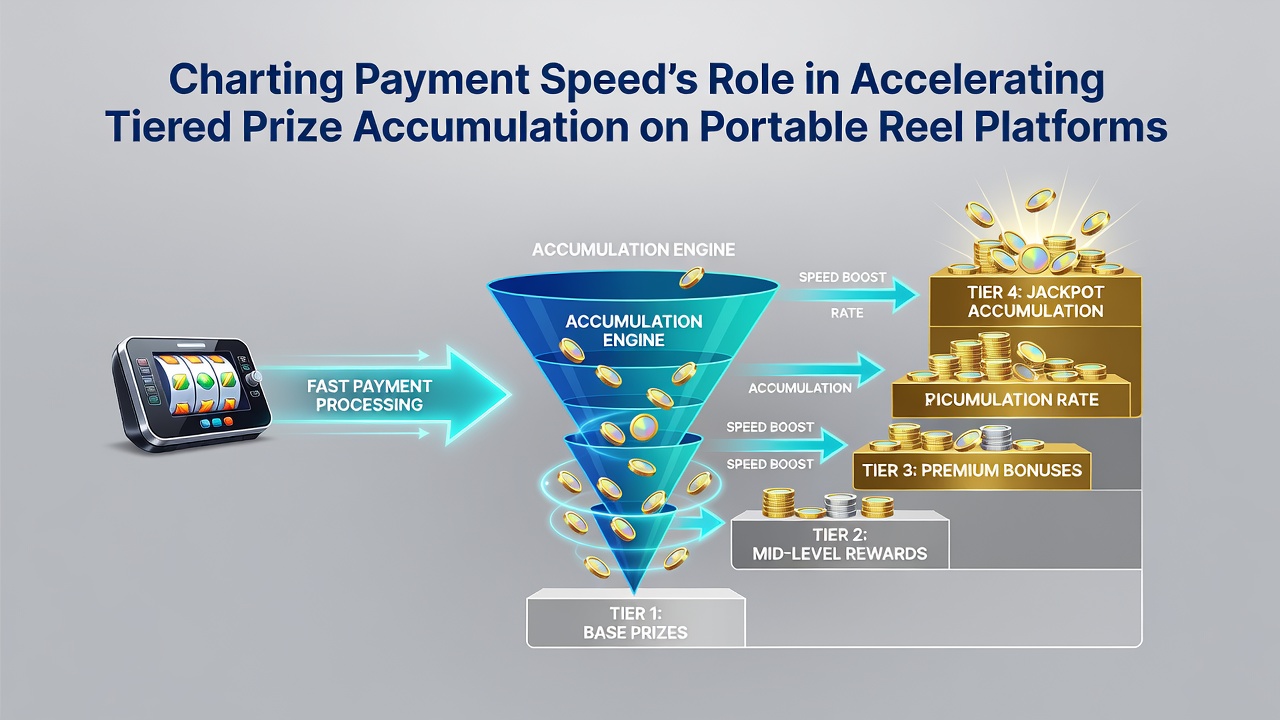
Payment processing speeds shape how players move through loyalty structures on mobile slot platforms where deposits trigger immediate access to spinning sessions that feed into tiered reward systems. Platforms track deposit frequency and volume to advance users across levels that unlock cashback percentages, bonus multipliers, and entries into progressive prize pools. Faster transaction approvals reduce the interval between funding an account and commencing play, which allows accumulation metrics to register more quickly and push accounts toward higher tiers within shorter timeframes.
Core Mechanics of Tiered Prize Systems
Mobile reel platforms operate loyalty ladders that assign points based on wager totals and deposit activity, with each successive tier granting elevated prize potential through larger jackpot contributions and exclusive reward pools. Data from transaction logs shows that accounts completing deposits in under thirty seconds often record higher daily spin volumes compared to those experiencing longer verification windows. This pattern emerges because seamless funding keeps momentum intact, letting players chain sessions without interruption while the platform logs qualifying activity toward tier thresholds. Observers note that platforms integrate instant payment rails such as digital wallets and bank transfers to minimize latency, creating direct pathways from deposit confirmation to reel engagement.
Role of Transaction Velocity in Accumulation Rates
Studies tracking player cohorts across several operators reveal that reduced processing times correlate with accelerated movement between loyalty stages. When a deposit clears in seconds rather than minutes, the associated wager activity begins sooner and compounds within the same calendar day, pushing point totals past the next tier boundary. Reports from the Nevada Gaming Control Board highlight how real-time settlement technologies have altered session patterns in regulated markets, where quicker fund availability supports sustained play that feeds directly into tiered prize calculations. Platforms that deploy automated verification systems record fewer abandoned deposits, meaning more capital enters active circulation and registers against loyalty targets without delay.
Portable Platform Specifics
Handheld devices introduce additional variables because users frequently switch between network connections and expect uninterrupted service. Payment gateways optimized for mobile environments employ tokenization and biometric confirmation to shorten authorization steps, which keeps the deposit-to-spin cycle tight. In June 2026 several operators rolled out enhanced instant transfer protocols that sync directly with loyalty dashboards, displaying updated tier progress within moments of transaction completion. This integration lets players monitor how each deposit contributes to the next reward threshold while reels continue to spin. Research conducted by the University of Nevada, Las Vegas gaming laboratory found measurable differences in tier advancement speed when comparing legacy batch processing against live settlement methods across comparable user groups.
Comparative Data Across Payment Methods
Traditional card transactions often require additional security checks that extend processing windows, whereas newer instant banking options bypass those layers through pre-approved channels. Figures compiled by the Alcohol and Gaming Commission of Ontario indicate that sessions initiated via rapid methods accumulate thirty to forty percent more loyalty points per hour than those delayed by standard authorization flows. The difference stems from continuous play streaks that avoid cooling-off periods caused by pending fund transfers. Portable platforms respond by prioritizing partnerships with payment providers that guarantee sub-minute clearances, thereby aligning deposit events more closely with peak playing hours when prize pool contributions carry higher weight.
Platform Implementation Patterns
Operators embed payment speed indicators within their applications so users see estimated clearance times before confirming transfers. These visual cues encourage selection of faster rails, which in turn accelerates the rate at which accounts cross into elevated prize tiers. Case examples from multiple jurisdictions demonstrate that sites offering instant reload buttons paired with loyalty meters experience tighter clustering of tier upgrades during high-volume periods. The underlying mechanism remains straightforward: quicker capital deployment generates more qualifying wagers within defined evaluation windows that determine tier status and associated prize eligibility.
Conclusion
Payment processing speed functions as a measurable accelerator within mobile slot loyalty frameworks by shortening the gap between funding events and wager activity. Data collected across regulated markets shows consistent associations between reduced transaction latency and faster progression through tiered prize structures. Operators continue to refine gateway integrations to maintain alignment between deposit velocity and reward accumulation cycles, ensuring that platform metrics reflect real-time player engagement without artificial delays introduced by slower settlement processes.