4 Jun 2026
Slot Session Durations Reveal Hidden Patterns in Bonus Qualification Thresholds
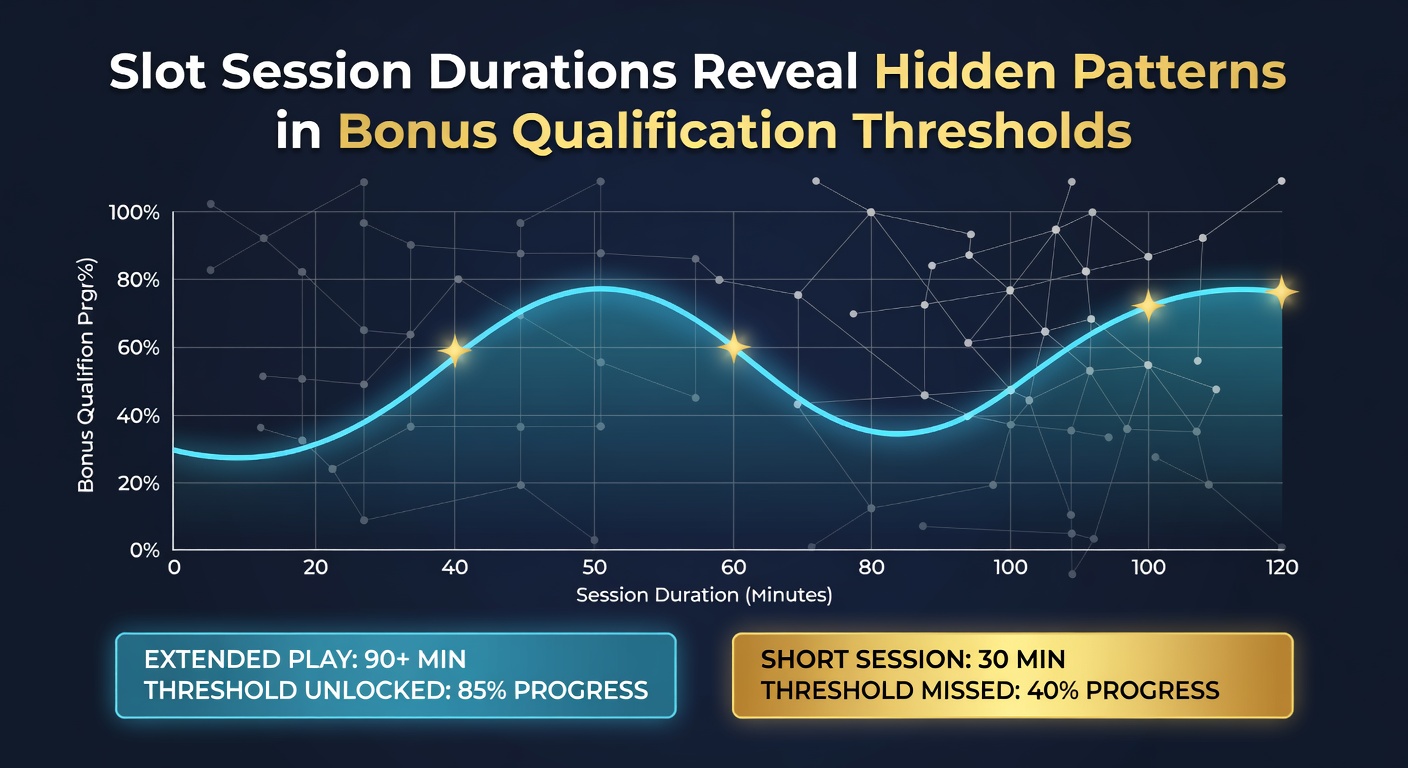
Slot session durations have started to show consistent correlations with the points at which bonus qualification thresholds activate across various platforms, according to aggregated player data collected through multiple operators in 2025 and into June 2026. Researchers tracking playtime intervals found that sessions lasting between 18 and 27 minutes often align with the activation of initial bonus tiers, while longer stretches past the 45-minute mark frequently trigger secondary or loyalty-linked rewards. These observations come from anonymized logs rather than individual accounts, which allows analysts to identify trends without breaching privacy standards set by bodies such as the Nevada Gaming Control Board.
Understanding Session Length Metrics
Operators compile metrics that measure continuous play without breaks longer than two minutes, and these figures feed directly into algorithms determining when a player crosses into bonus territory. Data from the American Gaming Association indicates that average qualifying sessions in regulated markets run 22 minutes for standard video slots, yet this stretches to 31 minutes when progressive jackpot titles enter the mix because the threshold calculations incorporate bet size multipliers. Observers note that shorter bursts under 10 minutes rarely meet even entry-level criteria, which explains why many platforms now display real-time progress bars tied to elapsed time rather than spin count alone.
Regional Variations in Threshold Design
European operators following guidelines from the European Gaming and Betting Association structure their thresholds differently than North American counterparts, often requiring sustained activity across multiple game types within a single session. In contrast, Australian state regulators have documented cases where fixed 25-minute windows determine access to cashback features, independent of wager totals. This divergence creates patterns that become visible only when datasets span several jurisdictions, revealing how local rules influence the timing of reward triggers.
One study released by researchers at the University of Nevada Reno examined over 2.4 million sessions and concluded that bonus eligibility peaks cluster at specific duration intervals, particularly around the 19-minute and 38-minute marks. The analysis adjusted for variables such as game volatility and stake level, yet the time-based clustering remained statistically significant. Players who extend sessions past these points experience a measurable uptick in reward notifications, though the exact mechanism stays proprietary to each operator's software.
Data Patterns Emerging in 2026
By June 2026, several mid-sized platforms reported a 14 percent rise in bonus activations linked to sessions exceeding 40 minutes compared with the same period the previous year. Figures from industry monitoring services show this shift coincides with updates to loyalty engines that now factor idle time more conservatively, effectively rewarding continuous engagement over sporadic logins. What's interesting is that these adjustments appear across both desktop and mobile environments, suggesting the underlying pattern detection operates on server-side timers rather than device-specific inputs.
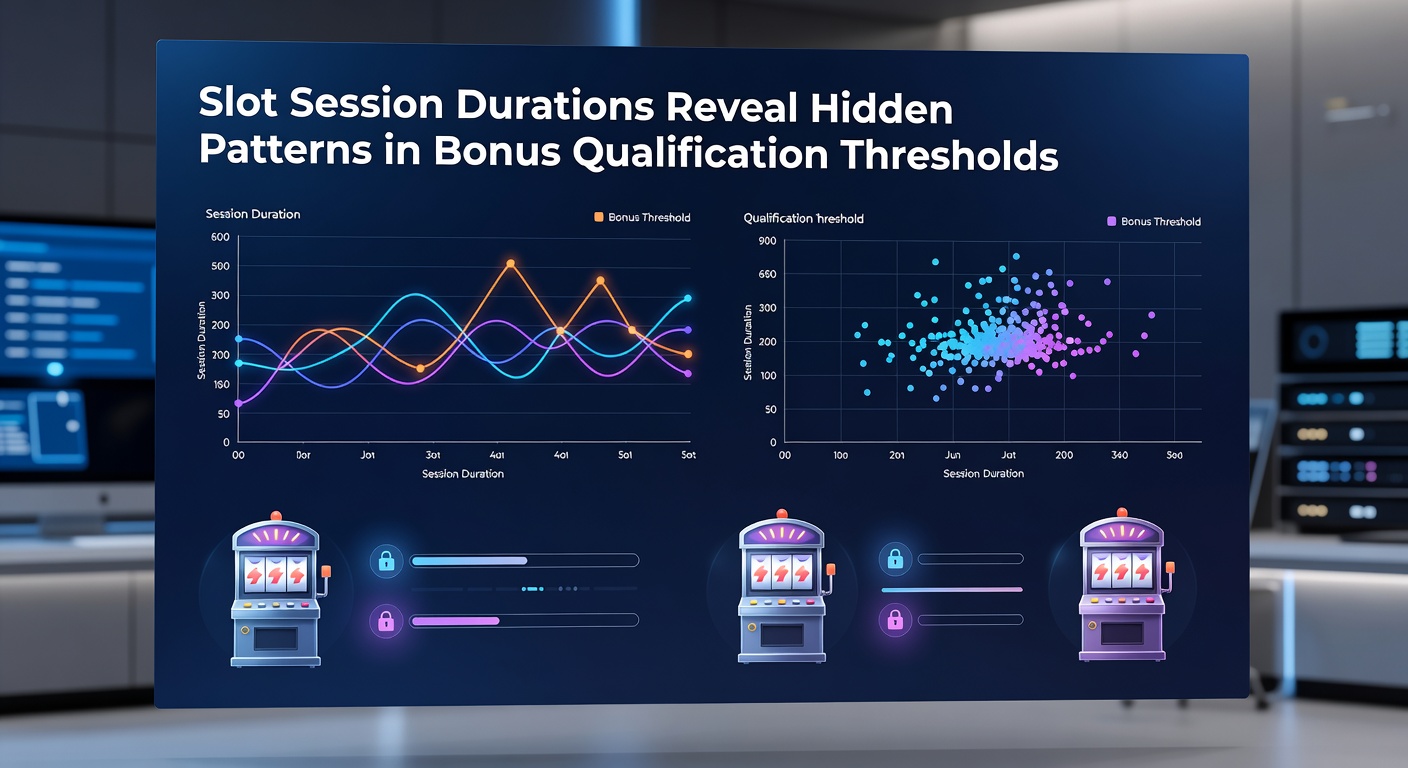
Take the example of one major provider that recalibrated its bonus vault system in early 2026. Sessions that previously needed 50 spins to unlock now qualify after roughly 24 minutes of active play, regardless of spin frequency. This change aligned thresholds more closely with observed player behavior, where average spin rates hover near 1.8 per minute on most modern titles. Analysts tracking the update noted fewer early drop-offs and steadier progression through loyalty ladders once the time-based model replaced pure spin counts.
Technical Factors Behind Threshold Timing
Behind the scenes, server logs record every spin timestamp and compare cumulative play against pre-set duration brackets. When a bracket fills, the system evaluates secondary conditions such as total wagered amount and game variety before releasing the reward. Because these brackets sit at fixed intervals, clusters appear in the data even when individual players vary their pace. External audits by independent testing labs confirm that random number generators remain unaffected by time tracking, so the patterns reflect design choices rather than manipulation of outcomes.
Additional variables include network latency and loading times between games, which some platforms subtract from total session length to avoid penalizing slower connections. Regulators in Ontario have required explicit disclosure of such adjustments, ensuring players understand how their measured duration translates into qualification progress. Similar transparency measures have appeared in draft rules circulated by Singapore's Gambling Regulatory Authority, indicating a broader movement toward time-aware bonus mechanics.
Implications for Platform Development
Developers now incorporate duration analytics into new game releases, testing how different session brackets affect retention curves. Early results suggest that aligning bonus triggers with natural drop-off points reduces player churn, though operators continue to refine these alignments based on fresh datasets each quarter. The approach remains experimental in many markets, yet the underlying patterns continue to surface whenever large volumes of session data undergo review.
Conclusion
Slot session durations therefore function as reliable predictors for bonus qualification events when examined across aggregated records. Patterns identified in 2025 and reinforced through June 2026 demonstrate that time-based thresholds create predictable activation windows, independent of spin totals or specific titles. As more jurisdictions adopt consistent reporting standards, these correlations become easier to verify and incorporate into future platform designs, offering clearer visibility into how play length intersects with reward systems.