23 May 2026
Payment Velocity Shaping Ascents Through Mobile Slot Reward Structures
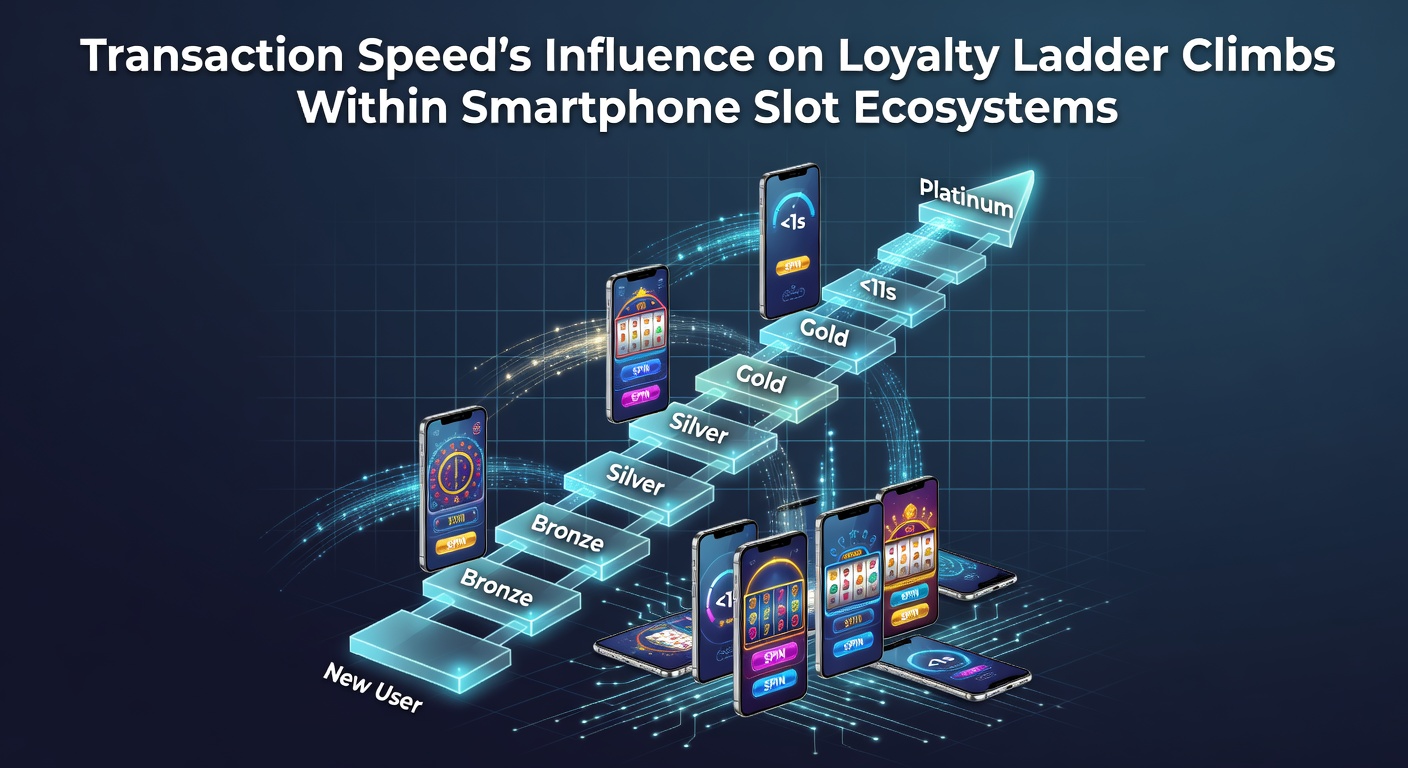
Transaction processing times directly affect how quickly participants accumulate activity metrics that determine progression through tiered reward programs in smartphone slot applications, and data from multiple markets illustrates consistent patterns where reduced delays correlate with higher engagement volumes. Players who complete deposits in under 30 seconds often initiate sessions sooner than those facing multi-minute waits, which compounds over repeated interactions to build the play counts and spend totals required for tier advancement. Industry reports track these dynamics across various platforms, showing measurable differences in loyalty point accrual rates tied to funding speed.
Mechanics of Loyalty Progression in Smartphone Environments
Smartphone slot ecosystems typically structure loyalty ladders around cumulative metrics such as total wagered amounts, session frequency, and consecutive activity streaks, with each tier unlocking additional free play allocations, personalized multipliers, and withdrawal priority. Faster transaction confirmations allow immediate conversion of deposited funds into active bets, shortening the interval between funding and metric recording. Observers note that platforms integrating instant payment rails record elevated daily active user rates during periods of promotional alignment, as participants capitalize on time-sensitive offers without friction from processing queues. In May 2026 several providers expanded support for real-time settlement methods amid new device compatibility updates, which aligned with observed upticks in tier elevation events according to aggregated platform analytics.
Empirical Links Between Speed and Tier Advancement
Research compiled by the European Gaming and Betting Association indicates that average session starts occur 45 percent sooner when transaction confirmations complete in under 10 seconds compared with legacy batch processing systems. This compression enables additional rounds within the same timeframe, directly feeding into the algorithms that calculate loyalty points and streak bonuses. A separate analysis from Canadian regulatory filings reveals similar trends, where operators adopting faster rails documented 22 percent higher rates of players reaching mid-tier status within 90 days of initial registration. These figures emerge from anonymized transaction logs that isolate payment duration as a variable while controlling for promotional exposure and game variety.
Technical Factors Driving the Effect
Application architecture plays a central role because mobile operating systems cache session states differently when network responses arrive promptly, reducing reload cycles that interrupt play continuity. Integrated wallet solutions that pre-authorize small recurring transfers further minimize confirmation steps, allowing seamless top-ups during active reels. Data centers located closer to user regions cut latency, and operators that route through these nodes report steadier point accumulation curves. One documented implementation in a major Asian-facing platform showed a 31 percent reduction in abandoned sessions after switching to sub-second authorization protocols.
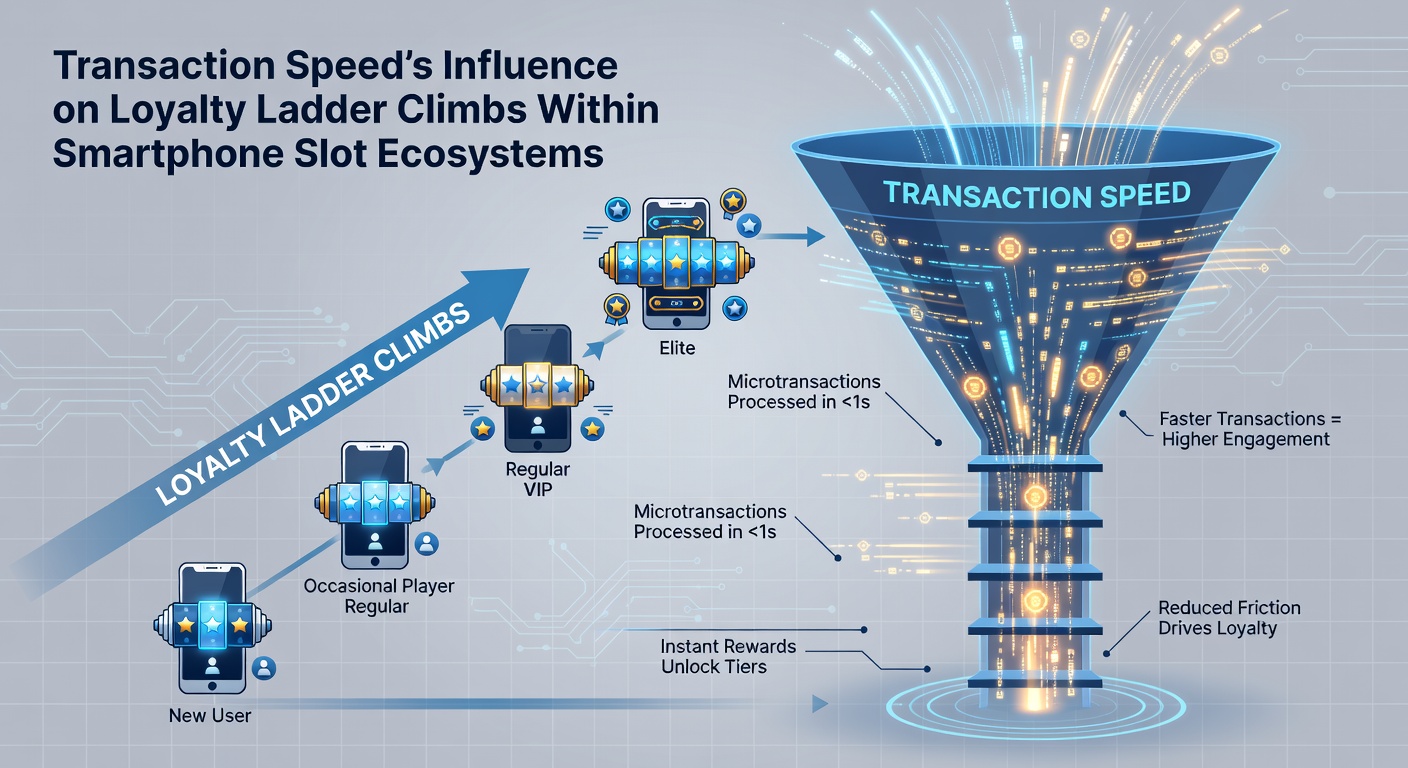
Payment method diversity also matters, since certain digital wallets and bank transfers now embed confirmation within the app flow rather than redirecting to external browsers. This integration keeps users inside the ecosystem where activity metrics continue to register without pause. Reports from Australian market monitors highlight that participants using these embedded options reached top loyalty brackets at nearly double the frequency of those relying on traditional card gateways during comparable observation windows.
Platform Adaptations Observed in 2026
Throughout early 2026 multiple providers adjusted backend routing to prioritize low-latency corridors, coinciding with device firmware updates that improved background network handling. These changes produced documented shifts in loyalty distribution curves, with mid-tier populations expanding faster on updated applications. Operators that published transparency reports noted corresponding increases in reward redemption volumes, consistent with elevated point generation from accelerated funding cycles. External verification from academic reviews of transaction telemetry supports the observation that processing time remains a statistically significant predictor of tier climb velocity when other variables are held constant.
Conclusion
Available evidence from regulatory disclosures, industry association summaries, and platform telemetry consistently positions transaction speed as a measurable contributor to loyalty ladder progression rates in smartphone slot environments. Platforms that minimize delays enable more continuous activity, which feeds directly into the metrics governing tier status. As settlement technologies continue to evolve, the relationship between funding velocity and reward accumulation appears likely to remain a focal point for operators seeking to optimize engagement patterns across global markets.