18 Jul 2026
Payment Mechanisms Unlocking Multiplier Features in Portable Slot Environments
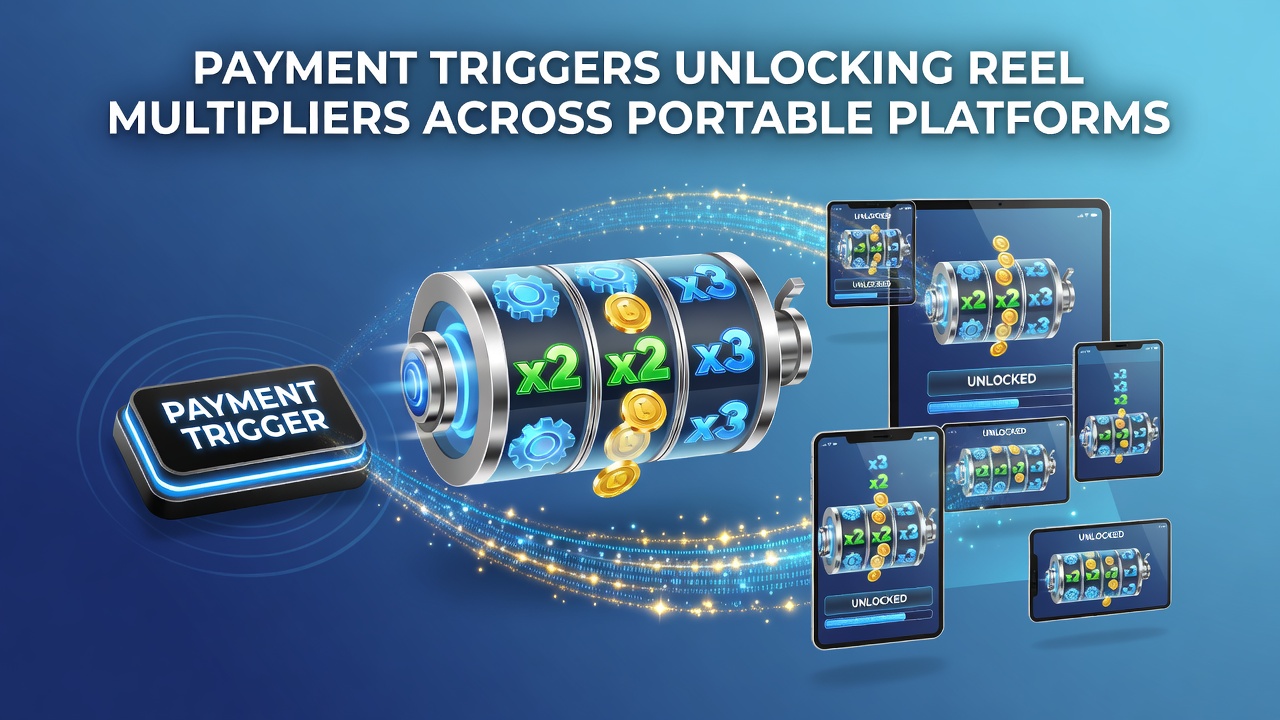
Payment systems now serve as direct gateways to multiplier activations in mobile slot titles, where deposits initiate sequences that expand reel sets and boost win potentials across handheld platforms. Developers integrate these triggers into app architectures so that transaction confirmations immediately apply scaling factors to base reel configurations, and this approach has gained traction since early 2025 when several major studios standardized API connections between payment processors and game engines.
Mechanics Behind Deposit-Activated Multipliers
Operators configure payment gateways to flag specific deposit amounts that satisfy threshold conditions, after which the game client receives an instruction packet that unlocks additional reel columns or applies multiplier overlays. The process relies on real-time data exchange between banking APIs and slot servers, so users who complete a qualifying transaction see their reels expand from the standard five columns to seven or nine within the same spin cycle. Data from industry tracking firms shows these features appear most frequently in titles optimized for iOS and Android environments, where latency remains low enough to maintain seamless transitions between deposit confirmation and gameplay continuation.
Portable platforms benefit because mobile processors handle the combined workload of secure transactions and graphical rendering without noticeable delays, whereas desktop versions often require separate confirmation screens that break immersion. Observers note that July 2026 brought wider adoption of these integrated systems as hardware upgrades in flagship smartphones improved cryptographic processing speeds, allowing more complex multiplier calculations to run locally on the device.
Platform Variations and Regional Patterns
Different portable ecosystems apply distinct rules for multiplier scaling. Android-based devices frequently incorporate device-specific optimizations that tie multiplier duration to battery level or network stability, while iOS implementations focus on secure enclave verification to prevent tampering with triggered bonuses. European markets have seen operators bundle these features with e-wallet services that complete transfers in under three seconds, and North American platforms emphasize integration with state-regulated payment rails that require additional identity checks before multipliers activate.
One study released by the International Center for Gaming Research examined transaction logs across 12 mobile operators and found that payment-triggered multipliers increased average session length by 18 percent compared with standard free-spin mechanics. The same report highlighted that users on tablets experienced slightly higher multiplier values than smartphone players, likely because larger screens accommodate expanded reel displays without compression artifacts.
Technical Integration and Security Protocols
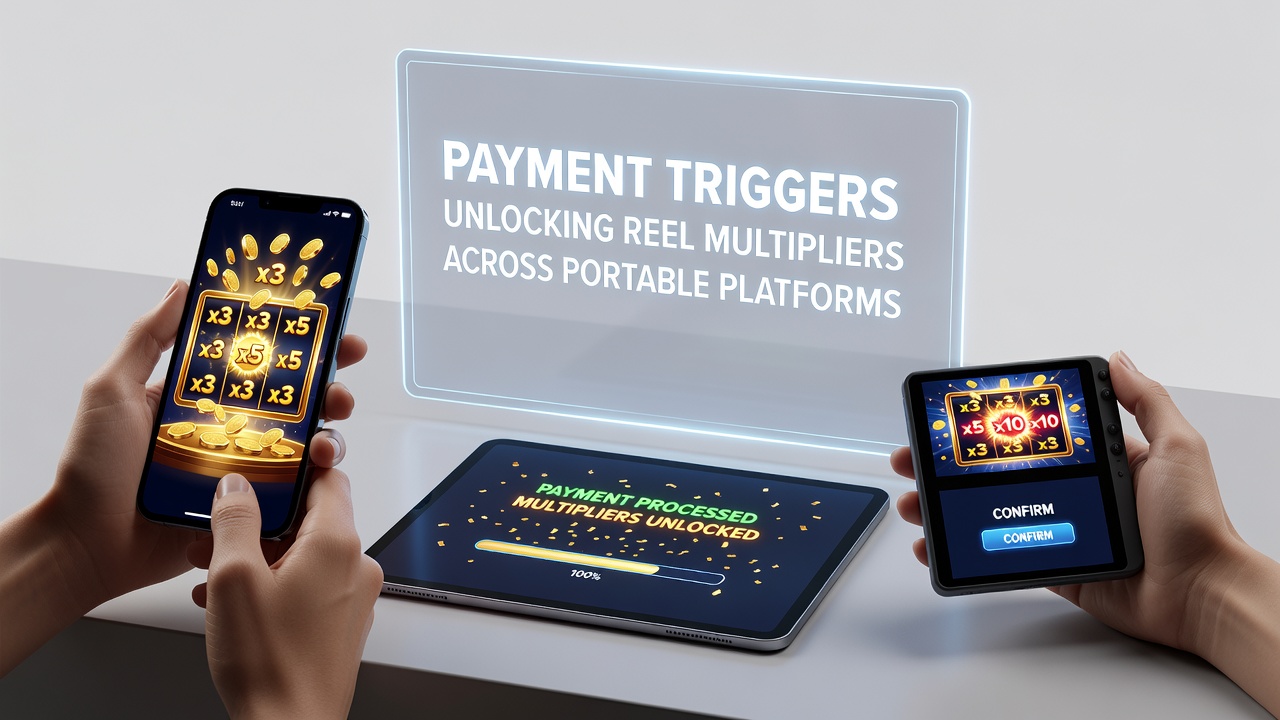
Security remains central to these systems because every deposit must pass through encrypted channels before the game server issues multiplier commands. Developers employ tokenization so that actual banking details never reach the slot application, and this separation satisfies regulatory requirements in multiple jurisdictions. When a transaction clears, the payment processor sends a signed payload that the game client validates using public keys before applying reel changes, which prevents unauthorized multiplier injections.
Cross-platform frameworks such as Unity and Unreal Engine now include dedicated modules for handling these payment-to-game callbacks, reducing development time for studios that release simultaneous updates across iOS, Android, and emerging foldable device formats. The July 2026 hardware cycle introduced improved near-field communication chips in many portable units, enabling contactless deposits that trigger multipliers without users leaving the game interface.
Player Behavior and Session Data Trends
Analytics platforms record distinct patterns when payment triggers become available. Sessions that begin with a deposit-activated multiplier show higher continuation rates after the initial bonus expires, because users often extend play to test newly unlocked reel configurations. Researchers at several gaming analytics firms have documented that tablet users convert deposits into multiplier sessions at higher rates than smartphone users, possibly due to longer average play sessions on larger devices.
Payment processors report that instant bank transfer methods generate the fastest multiplier activations, while credit card routes introduce brief delays that still resolve within regulatory time limits. These differences matter less on modern portable hardware, yet they influence how operators schedule promotional windows that coincide with peak transaction volumes.
Future Developments Expected by Late 2026
Industry roadmaps indicate further tightening between payment rails and game logic as 5G networks expand coverage in rural areas, allowing consistent multiplier triggers even on mobile connections that previously suffered packet loss. Some developers test AI-driven adjustment of multiplier values based on recent deposit history, though these experiments remain limited to jurisdictions that permit algorithmic bonus personalization.
Portable platforms continue to serve as primary test beds for these innovations because of their rapid update cycles and direct access to device sensors that can verify user presence during transactions. The combination of faster processors and refined payment APIs suggests multiplier features will appear in an increasing share of new mobile slot releases through the remainder of 2026.
Conclusion
Payment mechanisms that unlock reel multipliers have become standard components of mobile slot design, supported by secure transaction pipelines and optimized device hardware. Data from multiple sources confirms measurable effects on session duration and reel complexity, while regional differences in implementation reflect varying regulatory and technical environments. As July 2026 hardware and network improvements continue to roll out, these payment-triggered systems are positioned to expand further across portable gaming platforms.