7 Jul 2026
Payment-Linked Advancement Tracks in Mobile Slots: Pathways to Accumulating Substantial Rewards
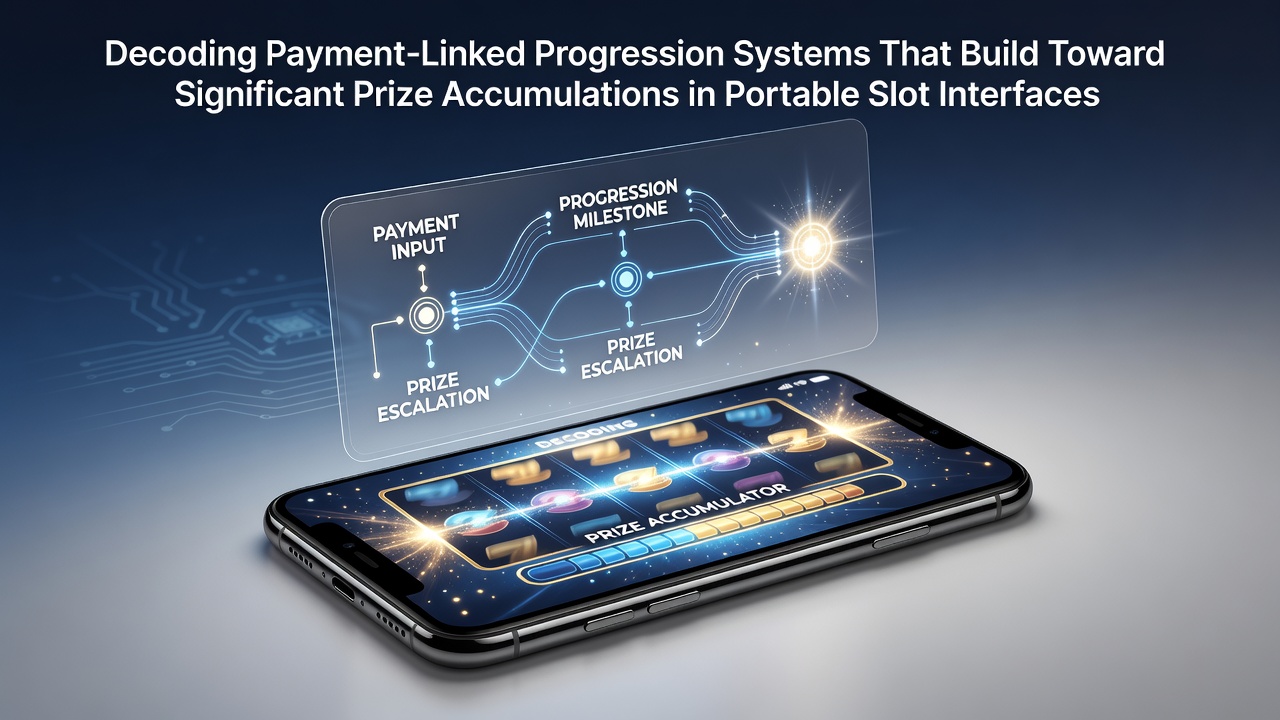
Payment-linked progression systems in portable slot interfaces operate through structured sequences where deposits initiate point accruals, level advancements, and eligibility expansions toward larger prize pools, with data from multiple jurisdictions showing consistent integration of these mechanics across operator platforms since the early 2020s. Observers note that each transaction typically registers as an input that feeds into tiered ledgers, where accumulated values unlock multipliers or access gates without altering core game mathematics.
Core Mechanics of Deposit-Driven Point Systems
Operators configure these frameworks so that a deposit amount converts directly into loyalty units at predefined ratios, which then populate progress bars visible within the mobile application; researchers at institutions tracking digital gambling patterns have documented how these units compound across sessions, creating visible trajectories toward thresholds that release enhanced features or pooled reward entries. And because the conversion rules remain fixed within each operator's terms, players encounter predictable scaling that aligns deposit frequency with advancement speed, while backend algorithms maintain separation between promotional ledgers and random number generators.
Multiple case studies from North American and European markets illustrate that progression often follows logarithmic rather than linear patterns, meaning early deposits produce faster initial gains that taper as higher tiers activate; this design encourages sustained engagement without promising specific outcomes. Figures from industry reports indicate average progression cycle lengths range between 15 and 40 deposits depending on the operator's chosen multiplier schedule.
Integration With Jackpot Eligibility and Vault Structures
Once players reach designated accumulation milestones, systems frequently route them into vault-style prize structures where pooled contributions from multiple accounts become accessible through continued play; these vaults operate independently of standard paytables yet remain gated behind the same deposit-linked progression tracks. Data compiled by gaming analytics firms shows that operators in regulated markets commonly segment vault contributions by loyalty tier, so higher advancement levels receive proportionally larger shares of the pool upon qualification events.
What's notable is the synchronization between mobile wallet transactions and real-time meter updates, which allows progression status to reflect instantly across devices; this technical linkage supports uninterrupted tracking even when users switch between sessions or platforms. In July 2026 several operators introduced cross-game vault sharing, permitting points earned on one title to count toward eligibility on others within the same portfolio.

Regional Regulatory Approaches to These Systems
Regulatory bodies outside the United Kingdom have addressed these mechanisms through distinct frameworks; the Australian Communications and Media Authority requires clear disclosure of progression ratios and vault contribution percentages, while Canadian provincial regulators have mandated audit trails that separate promotional ledgers from player funds. Observers note that such requirements produce standardized reporting formats that allow comparison across operators without restricting the underlying architecture.
Academic analyses from university research centers have examined how these systems influence session duration metrics, finding correlations between visible progress indicators and extended play intervals in controlled datasets; however the studies consistently emphasize that individual results remain governed by game volatility rather than progression status alone.
Technical Implementation Across Mobile Platforms
Developers embed these progression engines within the same application layers that handle real-money transactions, using encrypted tokens to record each deposit event and update corresponding loyalty records on secure servers; this architecture supports both iOS and Android environments while maintaining compliance with platform-specific payment rules. Operators frequently deploy A/B testing on progression speed parameters to measure retention effects, with results informing iterative adjustments that remain invisible to end users.
Examples from major providers demonstrate that some interfaces display projected next-tier rewards alongside current meter status, creating a forward-looking element that complements the backward-looking accumulation history; these projections derive strictly from published conversion tables rather than personalized forecasts.
Conclusion
Payment-linked progression systems in portable slot interfaces function as layered accounting structures that translate deposits into measurable advancement toward prize accumulation opportunities, with technical and regulatory elements shaping their deployment across markets. Evidence from multiple sources confirms these mechanisms operate through fixed conversion rules and independent vault mechanics that do not modify underlying game probabilities. Continued documentation of implementation patterns across regions provides ongoing insight into how such systems integrate with mobile transaction flows and loyalty frameworks.