6 Jun 2026
Integrated Payment Systems Elevate Loyalty Frameworks in Britain's Mobile Gaming Arena

Payment method synergies have started reshaping how loyalty structures operate across Britain's handheld gaming sector, where mobile devices now drive the majority of player engagement and reward accumulation. These integrations link deposit options directly to tiered benefits, allowing seamless progression from initial funding through accumulated perks toward larger prize opportunities in slot titles and related games. Observers note that platforms combine e-wallets, bank transfers, and card systems with loyalty engines so each transaction feeds into points systems, bonus multipliers, and vault-style reward tiers without requiring separate steps from users.
Core Payment Channels Fueling Mobile Loyalty Growth
Common payment channels in the UK market include instant bank transfers via services like Faster Payments, digital wallets such as PayPal and Apple Pay, plus traditional debit cards, and these options now connect directly to loyalty databases that track activity in real time. When players fund accounts through these methods, systems automatically allocate loyalty points based on transaction size and frequency, which then unlock higher reward layers like increased free spin allocations or cashback percentages. Data shows this linkage reduces friction between depositing and reward access, encouraging repeated sessions on handheld devices where quick top-ups support ongoing play streaks. Research from the European Gaming and Betting Association highlights how such payment integrations have contributed to measurable increases in session duration across mobile platforms during early 2026.
Layered Structures Emerging from Transaction Triggers
Layered loyalty setups typically progress through entry-level access via basic deposits, mid-tier benefits triggered by consistent payment patterns, and premium vaults reserved for high-volume users who chain multiple funding sources. For instance, an initial wallet deposit might grant standard points that convert to spins, while subsequent card reloads multiply those points and open cashback on losses, creating a compounding effect that builds toward jackpot-eligible status. This structure operates because payment processors feed verified transaction data straight into backend loyalty algorithms, allowing real-time tier adjustments without manual intervention. Those who've examined platform mechanics find that combining at least two payment types within a single account often accelerates progression rates compared to single-method usage, as cross-verification rules add bonus layers automatically.
June 2026 Trends in Handheld Reward Chains
By June 2026, handheld gaming operators had expanded payment-linked loyalty features to include geographic bonuses for UK users and time-sensitive multipliers tied to deposit timing, such as evening wallet top-ups yielding extra vault entries. These developments align with broader industry shifts where mobile traffic accounts for over 70 percent of total activity, according to aggregated platform reports. Payment synergies appear in features like auto-reload options that maintain loyalty streaks across days or weeks, while also feeding into seasonal promotions that stack free plays onto existing tier benefits. Academic analysis from the University of Nevada Gaming Research Center indicates similar patterns in other markets where transaction integration correlates with higher retention metrics, suggesting parallel dynamics at work in British mobile environments.
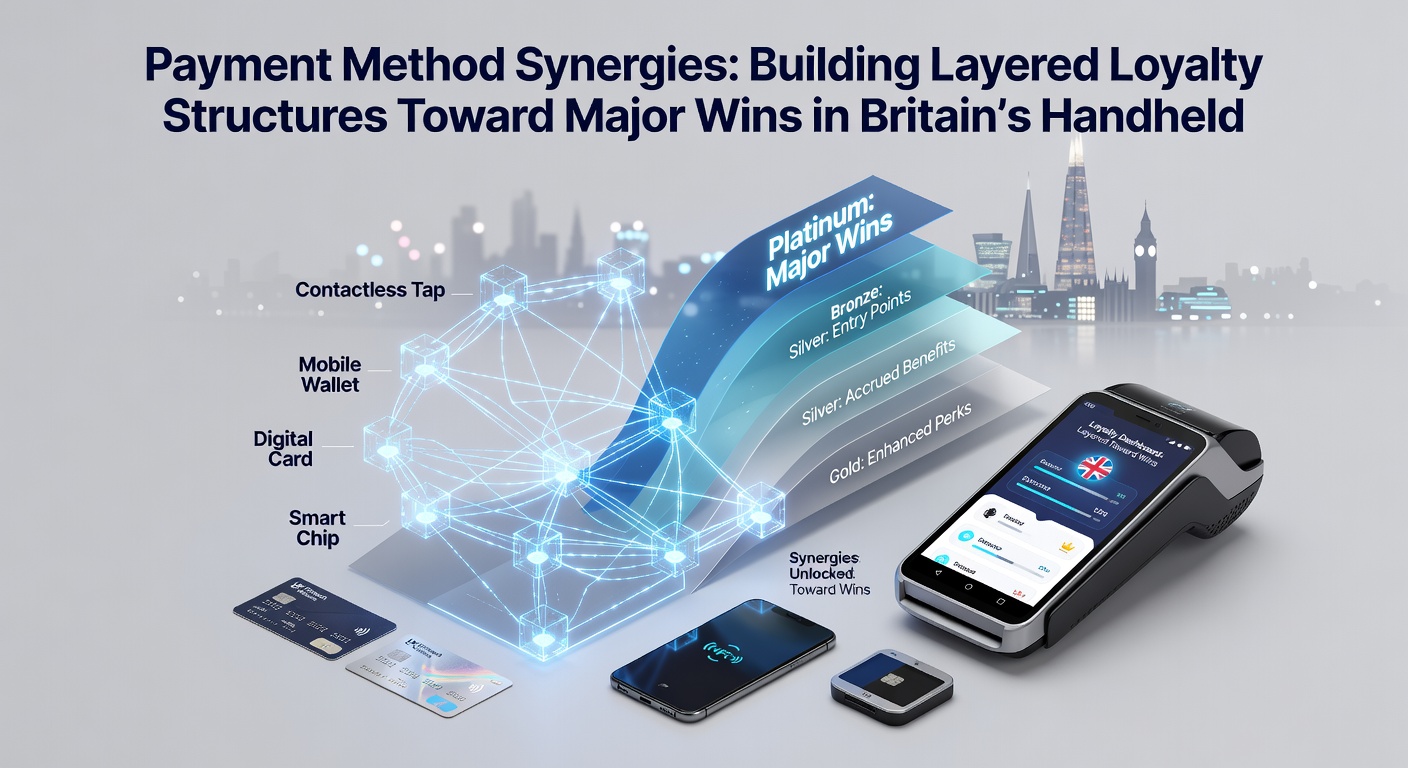
Wallet-triggered events stand out because they permit instant point crediting upon confirmation, which then cascades into spin bundles or multiplier boosts that carry forward across multiple game sessions. Bank transfer users often receive delayed but higher-value tier jumps once funds clear, creating a two-speed loyalty path that caters to different player preferences. What's interesting here is how these mechanics avoid overlap with regulatory restrictions by focusing solely on verified funding activity rather than promotional giveaways.
Examples of Synergy in Action Across Platforms
Take one major operator that routes PayPal deposits into a base loyalty tier granting 1.5 times standard points, followed by debit card reloads that double the multiplier and grant entry to a secondary vault containing progressive jackpot tickets. This chain continues when players add a third method like Apple Pay, which activates cross-method bonuses and accelerates vault unlocks toward major prize thresholds. Another case involves smaller studios testing bundled payment packages where users preload multiple channels at signup, instantly populating layered rewards that include daily cashback scaled to total funded amounts. Observers note these approaches maintain steady engagement because each payment confirmation reinforces the next loyalty step without additional prompts. Figures reveal that accounts using two or more payment methods show elevated progression speeds through loyalty tiers compared to single-channel activity.
Future Outlook for Payment-Driven Reward Systems
Continued refinement of these synergies points toward deeper API connections between payment gateways and loyalty platforms, enabling predictive tier adjustments based on spending velocity and preferred funding types. Industry groups like the Interactive Gaming Council have documented early pilots where AI-assisted matching of payment histories to reward offers produced higher conversion from mid-tier to premium status. Such evolutions keep handheld gaming experiences fluid, with loyalty structures adapting dynamically to transaction patterns while remaining anchored in verifiable funding data. Players benefit from streamlined paths that convert routine deposits into compounded advantages leading toward significant prize outcomes in Britain's competitive mobile scene.
Conclusion
Payment method synergies continue to underpin layered loyalty frameworks that guide users through structured reward progressions in the UK's handheld gaming market. These systems leverage transaction data from diverse channels to build cumulative benefits, supporting sustained participation and access to elevated prize structures. As integrations mature through 2026, the emphasis remains on efficient, data-driven connections between funding actions and loyalty outcomes across mobile platforms.