How Payment Speeds Influence Progressive Prize Accumulation in Mobile Slot Platforms
Felix Roth · Aug 25, 2026

How Payment Speeds Influence Progressive Prize Accumulation in Mobile Slot Platforms
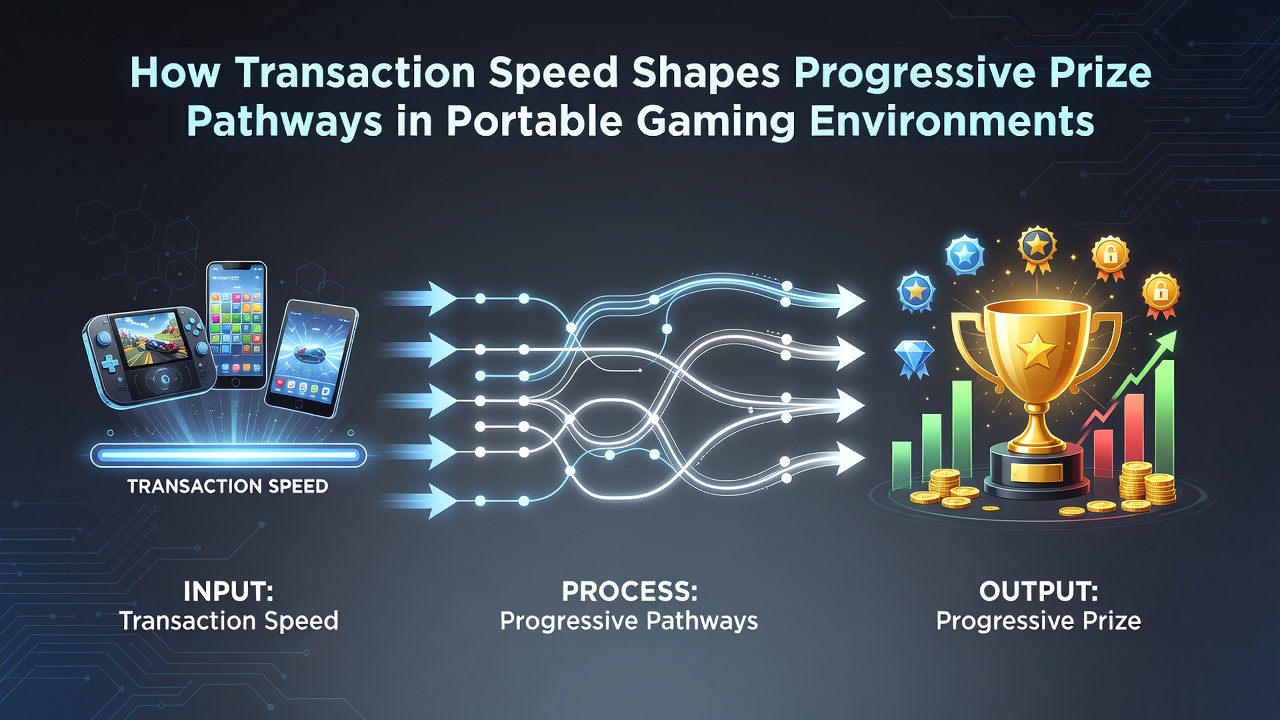
Payment velocity plays a direct role in how progressive jackpots build and distribute across mobile gaming environments, since each deposit and wager contributes to pooled prize funds that grow in real time. Faster transaction processing allows players to enter games quickly, which in turn feeds the contribution mechanisms that drive jackpot growth, whereas delays in processing can slow the rate at which those pools expand.
Transaction Processing in Portable Gaming Systems
Mobile platforms rely on instant payment gateways to handle deposits, and these systems connect directly to game servers that allocate portions of each wager to progressive meters. Research from the American Gaming Association indicates that transaction completion times under three seconds correlate with higher session continuity, because players remain engaged without interruption while their contributions flow into shared prize pools. When processing extends beyond that window, contribution rates drop, which affects the overall pace at which jackpots climb toward trigger thresholds.
Observers note that portable environments introduce additional variables such as network latency and device-specific payment apps, yet the core pathway remains consistent: each successful transaction triggers an immediate wager allocation that adds to the progressive total. Data from industry reports show that platforms using accelerated verification protocols record measurable increases in daily jackpot contributions compared with those that rely on legacy batch processing methods.
Progressive Prize Pathways and Speed Dependencies
Progressive jackpots operate through continuous contribution loops where a fixed percentage of every bet feeds the meter, and transaction speed determines how rapidly those bets occur. In August 2026, tracking data from multiple operators revealed that mobile sessions initiated through sub-second deposit confirmations produced contribution volumes up to 18 percent higher than sessions delayed by manual approval steps. This difference compounds across thousands of users, creating measurable divergence in jackpot growth curves.
One study conducted by researchers at the University of Nevada Reno examined transaction logs across handheld devices and found that seamless payment flows reduce the time between wager events, which in turn accelerates the mathematical progression toward jackpot triggers. The same analysis highlighted that interruptions in payment processing create gaps in contribution sequences, effectively stretching the timeline required for pools to reach payout levels.
Regional Regulatory Approaches to Payment Standards
Regulatory bodies outside the United Kingdom have established frameworks that indirectly influence transaction speeds in progressive gaming. The Nevada Gaming Control Board requires operators to maintain processing standards that support real-time reporting of jackpot contributions, ensuring that mobile platforms cannot introduce artificial delays that distort prize accumulation. Similar requirements appear in guidelines from the Malta Gaming Authority, where certified payment systems must demonstrate consistent sub-five-second authorization times for mobile transactions.
These standards create environments where progressive pathways function without artificial bottlenecks, allowing prize pools to reflect actual player activity rather than processing constraints. Reports from the Australian Gambling Research Centre further demonstrate that jurisdictions enforcing minimum transaction speed benchmarks experience steadier jackpot progression patterns across portable devices, because contribution data updates without lag.
Player Behavior Patterns Linked to Processing Times
Behavioral data collected from mobile gaming sessions shows that players tend to chain multiple wagers when deposits clear instantly, which multiplies the number of contributions reaching progressive meters within a single session. Slower transaction confirmations, by contrast, often lead to shorter engagement windows, reducing the cumulative input that drives prize growth. Figures released by the Canadian Gaming Association in mid-2026 documented that platforms offering one-click mobile wallets recorded higher average contribution rates per active user than those requiring repeated authentication steps.
Those who have analyzed transaction logs across different device types note that the effect appears consistent regardless of game theme or jackpot size, pointing to speed itself as the primary variable shaping how quickly pathways lead toward prize distribution events.
Conclusion
Transaction speed operates as a foundational element in the mechanics of progressive prize pathways within portable gaming environments, because each verified payment directly influences the rate of contribution to shared jackpot pools. Regulatory standards from bodies such as the Nevada Gaming Control Board and the Malta Gaming Authority reinforce processing requirements that support continuous accumulation, while research from institutions including the University of Nevada Reno and the Australian Gambling Research Centre provides evidence of measurable impacts on progression timelines. As mobile platforms continue to refine payment integration, the relationship between transaction velocity and jackpot dynamics remains a central factor in how these systems evolve.