30 Jul 2026
Digital Transaction Triggers Building Layered Reel Incentives Across Portable Platforms

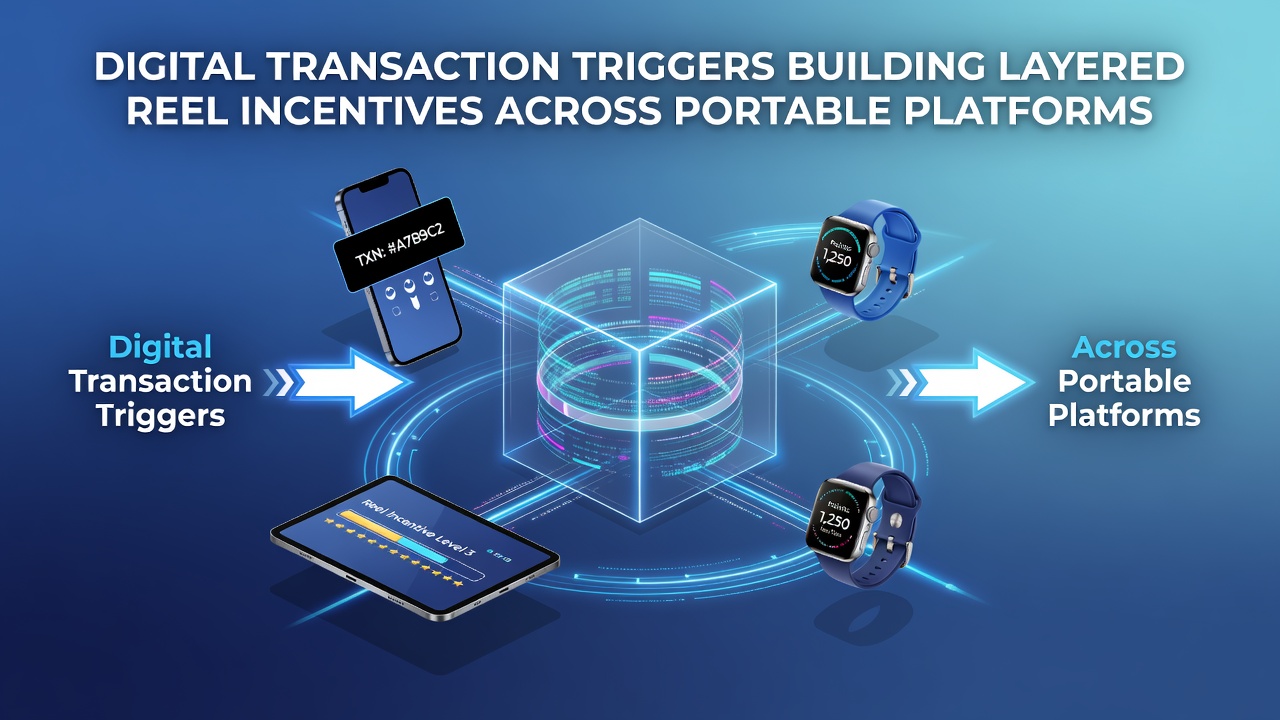
Data from multiple gaming markets shows that digital transaction systems now activate sequential reward layers in mobile reel applications, where each payment event unlocks progressive incentives such as spin multipliers, cashback tiers, and loyalty point accumulations that carry across smartphones and tablets. Operators integrate payment gateways directly with game engines so that deposits or micro-transactions immediately feed into algorithms that stack bonuses without requiring separate user actions, and this process has expanded notably since regulatory updates took effect in several jurisdictions during July 2026.
Payment Gateways as Entry Points for Incentive Chains
Payment processors link user accounts to reel platforms through secure APIs, and once a transaction clears the system records the amount and timing to determine which incentive layer activates next. In practice a small deposit might trigger an initial free spin allocation while a larger or repeated transfer advances the user into multiplier zones or vaulted prize pools that persist across sessions on different portable devices. Industry reports indicate that these chained mechanics reduce friction between funding and play, allowing the same wallet balance to fuel both immediate reel action and longer-term loyalty progression.
Layered Structures Across Device Ecosystems
Portable platforms maintain synchronized profiles that carry incentive data between phones and tablets through cloud-based ledgers, so a transaction completed on one device immediately updates eligibility for stacked rewards on another. Observers note that developers design these layers to escalate in complexity, beginning with basic spin grants and advancing toward combined cashback plus jackpot entry rights that scale with cumulative transaction volume. Studies conducted by the Australian Gambling Research Centre have documented how such synchronization increases session continuity across hardware while maintaining separate regulatory compliance checks for each jurisdiction.
Technical Integration of Triggers and Rewards
Backend systems employ event listeners that detect transaction confirmations and map them to predefined incentive tables, after which the game client receives updated parameters within seconds. This architecture supports real-time display of newly unlocked layers, whether they involve enhanced wild symbol probabilities or access to tiered progressive pools that accumulate across the player base. Engineers at major suppliers have refined latency handling so that portable connections, including variable mobile networks, still deliver consistent trigger responses without interrupting reel sequences.
Regional Variations in Implementation
North American markets have adopted transaction-triggered layers at differing speeds, with certain state frameworks requiring explicit player consent before stacking incentives begin to compound. In contrast, European operators often bundle these features under existing responsible gaming protocols that cap daily transaction volumes while still permitting layered progression within those limits. Canadian provincial regulators, including those in Ontario, have issued guidance that ties incentive visibility to transaction history transparency, ensuring players receive clear itemized summaries of how each payment contributed to subsequent reward tiers.
Data Patterns and Platform Metrics
Analytics platforms tracking portable reel activity reveal that transaction events correlate with measurable increases in layer engagement, particularly when incentives escalate from single-spin grants to combined loyalty and cashback structures. Figures released by the American Gaming Association for the first half of 2026 show elevated cross-device usage among players who interact with payment-triggered features, suggesting teh layered model supports sustained participation without additional marketing prompts. These patterns hold across both established reel titles and newer releases optimized for smaller screens.
Future Development Pathways
Developers continue to explore deeper integration between digital wallets and reel incentive engines, including conditional triggers that respond to transaction frequency or amount thresholds. Testing in select markets during July 2026 examined whether predictive algorithms could pre-stage the next incentive layer before a payment completes, thereby reducing perceived wait times on portable connections. Such advancements remain subject to ongoing compliance reviews that evaluate fairness of teh stacking mechanics and clarity of player disclosures.
Conclusion
Transaction systems now serve as foundational triggers for multi-layered incentive frameworks that operate seamlessly across portable reel platforms, with synchronization, technical mapping, and regional adaptations shaping how rewards accumulate and persist. Continued data collection from diverse markets will determine how these structures evolve while remaining aligned with local regulatory requirements.